|
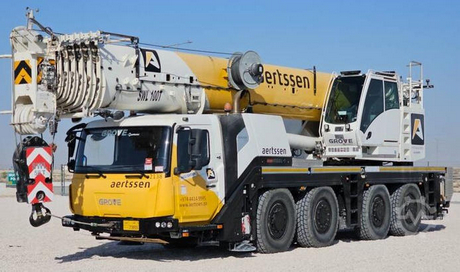
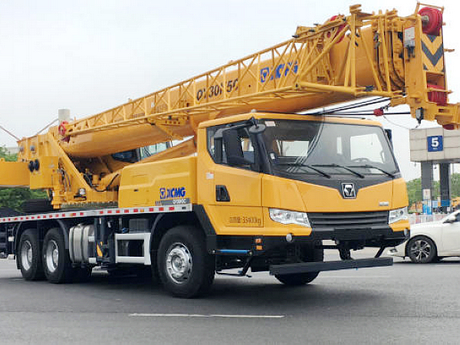
As critical equipment across construction, manufacturing, logistics, and other industries, the operational safety and reliability of cranes directly impact project schedules and workplace safety. Practice demonstrates that systematic, standardized maintenance and repair management are essential for extending crane service life and reducing failure rates. Drawing on multi-industry application experience, we summarize five universal and effective maintenance and repair essentials to ensure stable equipment operation.
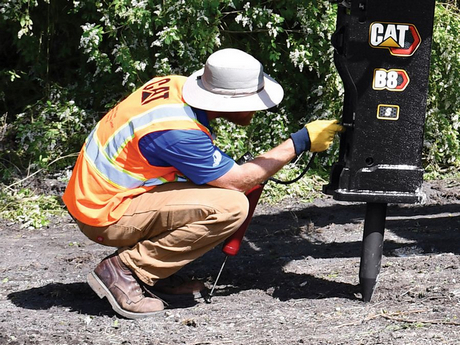
I. Standardized Inspection and Scientific Lubrication Regular inspection and lubrication form the foundation of crane maintenance. Before daily operations, conduct visual inspections focusing on structural components, connection points, and wear-prone parts for signs of wear, cracks, or loosening. Simultaneously, establish a periodic in-depth inspection mechanism where specialized technicians perform comprehensive checks on critical systems. Lubricate all moving parts according to the equipment lubrication chart to effectively reduce friction loss and prevent premature fatigue failure. Furthermore, maintaining complete, traceable inspection and lubrication records aids in equipment condition management and compliance audits. II. Enhanced Cleaning and Anti-Corrosion Measures In complex operating conditions and outdoor environments, corrosion significantly impacts crane structural integrity. Regularly cleaning equipment surfaces to remove dust, silt, and chemical contaminants can effectively slow corrosion progression. For high-risk areas, appropriately apply anti-corrosion coatings and protective paints to form isolation barriers, reducing exposure to moisture and corrosive agents. Simultaneously, incorporate corrosion inspections into routine patrols, addressing issues promptly to prevent minor defects from escalating into structural hazards. III. Scientific Load Management Proper load management not only ensures operational safety but also directly impacts the crane's overall lifespan. Strict adherence to the manufacturer's specified rated load during operations is essential to prevent overloading. Simultaneously, ensure balanced force distribution on lifted cargo to avoid additional stress on structural components, wire ropes, and transmission systems caused by uneven loading. During lifting, slewing, and lowering operations, maintaining smooth movements and avoiding abrupt stops or starts helps reduce impact loads and enhances equipment operational stability. IV. Enhanced Electrical and Mechanical System Maintenance The electrical and mechanical systems are central to ensuring precise control and safe operation. Electrical circuits, control cabinets, and sensor devices should undergo regular inspections to prevent operational abnormalities caused by aging, loosening, or malfunctions. Simultaneously, prioritize monitoring wear on critical mechanical components such as hooks, wire ropes, and pulleys. Implementing a preventive maintenance framework enables early intervention at the initial stages of issues, effectively avoiding unexpected downtime and major repair costs. V. Prioritize Personnel Training and Safety Management Consistent equipment performance relies on standardized operation by qualified professionals. Ensure crane operators receive systematic training and possess appropriate certifications, thoroughly understanding equipment characteristics and operational protocols. Simultaneously, enhance the team's ability to respond to emergencies by refining safety management systems and emergency response procedures, thereby minimizing human-related risks.
Implementing these five key maintenance and repair principles can significantly improve crane safety, reliability, and operational efficiency. Consistent, standardized maintenance management not only extends equipment lifespan but also provides robust support for enterprises to achieve safe production and cost reduction while enhancing efficiency.
|