|
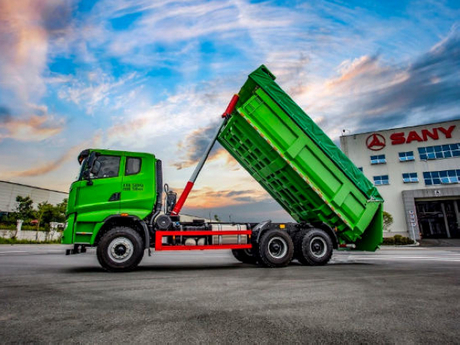
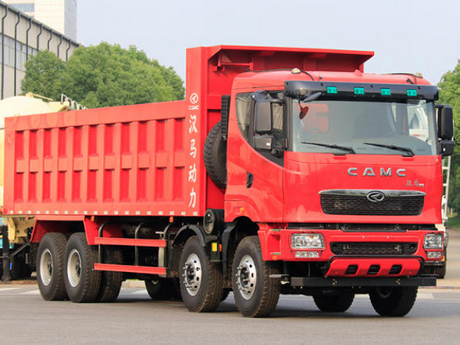
In high-intensity operations such as construction projects, ore mining and transportation, dump trucks consistently shoulder critical transportation responsibilities. Due to prolonged heavy-load operation, complex working conditions, and harsh environments, dump trucks experience accelerated overall wear and tear. Their average service life typically spans around three years, making full vehicle replacement costly. Therefore, implementing standardized and scientific maintenance practices to reduce failure rates and extend service life has become a vital strategy for ensuring operational efficiency.
Compared to ordinary vehicles, the most distinctive structural feature of dump trucks lies in their lifting system. The hydraulic system, particularly the hydraulic cylinders, serves as the core component ensuring the vehicle's safe and efficient operation. Based on the usage characteristics of dump trucks, daily maintenance should focus on the following key areas. I. Four Critical Inspections for the Hydraulic System The hydraulic system is pivotal for executing lifting operations in dump trucks. Its condition directly impacts operational safety and equipment longevity. Daily inspections should emphasize the following: Hydraulic Fluid Level and System Seal Integrity Inspection: Regularly verify adequate hydraulic fluid levels and replenish promptly if insufficient. Simultaneously inspect the hydraulic system for leaks, damage, or other abnormalities. Address any issues immediately to prevent the escalation of faults. Cylinder and Linkage Mechanism Connection Status Inspection: Thoroughly examine the connections and fastenings of hydraulic cylinder upper/lower supports, linkage mechanisms, and other critical points to ensure all joints are secure and reliable. Simultaneously observe moving components and adjacent fixed parts for abnormal wear, deformation, or other issues. Cargo Bed and Structural Component Integrity Inspection: Conduct comprehensive inspections of load-bearing structures, including the cargo bed, subframe, spare tire mount, etc. Pay particular attention to welds in stress-bearing areas for potential hazards such as weld separation or cracks to prevent safety risks from structural fatigue. Hydraulic and Power Component Functionality Inspection: Regularly assess the operational status and wear levels of critical moving parts like gear pumps, power take-offs, and hydraulic cylinders. Promptly maintain, repair, or replace any wear-prone components showing significant deterioration. II. Six Critical Maintenance Details for Dump Trucks Beyond the hydraulic system, the following details require special attention during daily operation and maintenance: Regular Replacement of High-Pressure Hoses: Hydraulic high-pressure hoses should be replaced every two years. Immediately replace any hoses exhibiting cracking, damage, or localized swelling to prevent bursting incidents. Preventing Hydraulic System Contamination: Frequently inspect the dumping mechanism for air leaks or oil seepage. When refilling hydraulic fluid, verify the integrity of the filter screen at the filling port. Replace any damaged screens immediately to prevent contaminants from entering the system. Additionally, never mix hydraulic oils of different grades. All oils used must comply with specifications outlined in the manual. Power Take-Off (PTO) and Gear Pump Operation Inspection: Regularly inspect the engagement and disengagement status of the PTO and gear pump to prevent incomplete disengagement, causing unintended body lifting. During operation, if abnormal noises or excessive temperature increases occur, stop the machine immediately for inspection to prevent premature component failure. Hydraulic Cylinder Piston Rod Inspection: During maintenance, focus on inspecting the working surface of the hydraulic cylinder piston rod for impacts, scratches, or other damage. Untreated issues will directly affect sealing performance and lifting stability. Repair or replacement should be performed as necessary. Rear Body Panel Locking Mechanism Inspection: Regularly check the reliability of the rear body panel locking mechanism and adjust it to a reasonable automatic opening and closing angle to prevent accidental opening or failure to open during operation. When dumping large bulk materials, it is recommended to remove the rear panel to prevent impact damage. Maintain Cleanliness During Maintenance: During maintenance and repair operations, keep the work environment and components clean to prevent debris from entering the hydraulic system. This avoids system malfunctions caused by valve blockages or abnormal wear of moving parts.
Dump trucks operating under high-load, complex conditions demand heightened maintenance standards. By intensifying hydraulic system inspections, prioritizing critical component management, and strictly adhering to standardized maintenance procedures, operators can not only extend the vehicle's service life but also significantly reduce failure rates and operational costs. This approach delivers safer, more stable, and efficient equipment support for construction projects and mining transportation.
|