|
Tasks such as rock breaking, concrete demolition, and site preparation place high demands on equipment attachments. As a commonly used breaking attachment for compact excavators, the hydraulic hammer can effectively improve demolition and construction efficiency. However, different hydraulic hammers vary in structure and functionality; selecting the appropriate model and employing the correct operating methods are key to improving equipment efficiency and extending its service life.
Selecting the Right Hydraulic Breaker for Your Needs
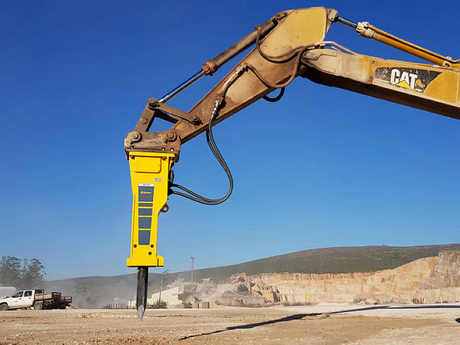
Hydraulic breakers for compact excavators
are typically categorized into different series, with the main distinctions
lying in durability, feature sets, and suitable operating conditions. For high-intensity operations such as quarrying and long-term demolition, priority should be given to hydraulic hammers designed for continuous heavy-duty work. If only short-duration, low-frequency breaking operations are required, a more economical model can be selected based on the actual workload. In addition, hydraulic breaker models generally correspond to the tonnage or model of the excavator. When selecting attachments, comprehensively consider the excavator’s weight, hydraulic flow rate, operating pressure, and operational requirements, and verify the compatibility of the hydraulic breaker with the host machine. Optimal Use of Mounting Brackets to Improve Equipment Utilization
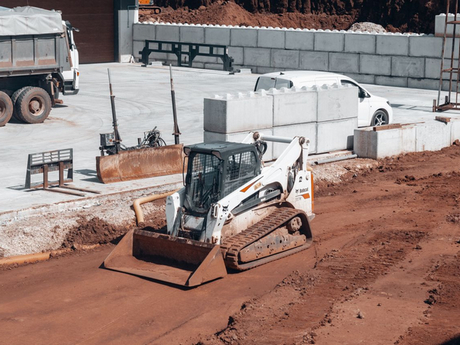
For construction projects involving
multiple types of equipment—such as small excavators and skid-steer
loaders—mounting brackets compatible with various machines can be selected.
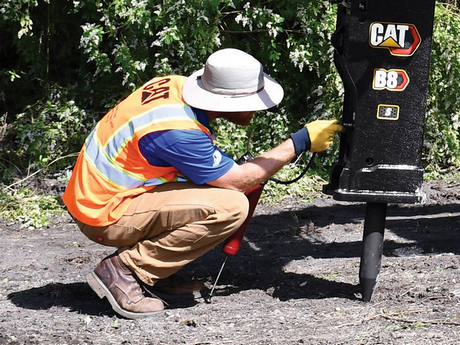
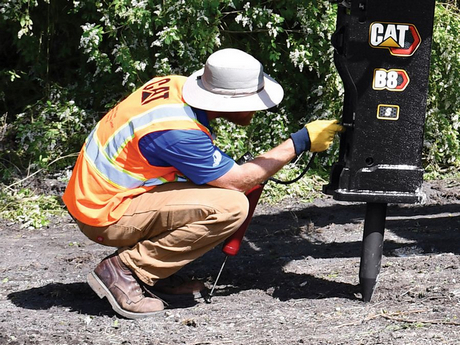
Mastering Proper Hydraulic Hammer Operation Proper operation is a key measure for reducing wear on the hydraulic hammer. When breaking concrete or rock, avoid striking the same spot continuously for extended periods. Continuous impact causes the tool and hydraulic hammer to overheat, and the resulting debris may reduce breaking efficiency. While the hydraulic hammer is in operation, keep the tool as perpendicular as possible to the material being broken to avoid angled impacts. When performing breaking operations with a compact excavator, do not fully extend the boom and dipper arm, as this may place additional strain on the hydraulic cylinders and working equipment, accelerating equipment wear. Additionally, avoid using the hydraulic hammer to pry or push rocks and other materials. The hydraulic hammer is primarily designed for impact breaking; using the tool tip for prying generates additional lateral loads, which may cause abnormal wear on the tool and related components. Proper Lubrication and Routine Maintenance Hydraulic hammers require regular lubrication to reduce friction between the tool and internal components. Grease should be applied periodically in accordance with the equipment manufacturer’s maintenance requirements, and the maintenance frequency should be adjusted based on actual workload intensity. After daily use, inspect the condition of the tool, connecting components, and hydraulic lines to promptly identify abnormal wear, looseness, and leaks. For high-intensity continuous operations, increase the frequency of inspections and maintenance as appropriate. The operational efficiency of a hydraulic hammer depends not only on the equipment itself but is also closely related to model selection, compatibility with the host machine, operating methods, and routine maintenance. Selecting the appropriate hydraulic hammer based on actual working conditions, maintaining the correct working angle, avoiding prolonged impact and improper prying, and performing lubrication and inspections as specified can effectively improve crushing efficiency, reduce equipment wear, and extend the service life of both the hydraulic hammer and the mini excavator.
|