|
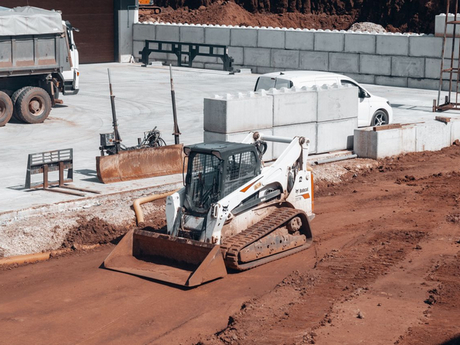
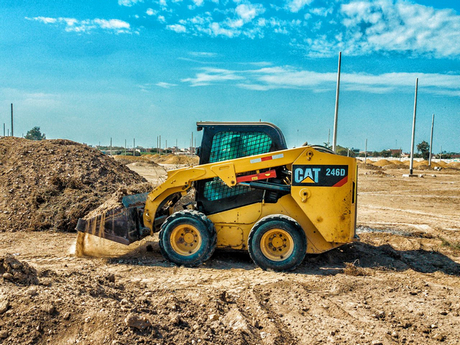
As construction projects continue to grow in scale and construction cycles continue to shorten, the impact of equipment operational efficiency on project schedules and operating costs is becoming increasingly evident. Compact track loaders, characterized by their high maneuverability and operational flexibility, are widely used on construction sites. To fully leverage the equipment’s performance, in addition to proper operation, it is necessary to minimize unplanned downtime through proper maintenance.
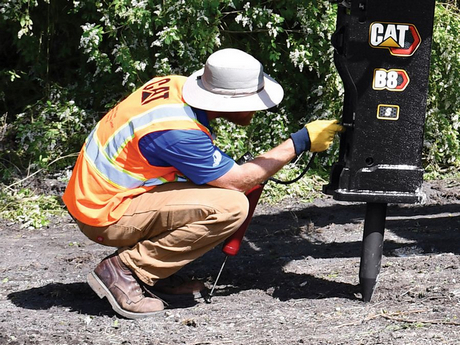
Improving Equipment Maintainability Regular inspections of equipment condition help operators identify potential issues in a timely manner. The maintenance design of the equipment also directly affects the efficiency of inspections and repairs. Modern compact track loaders are typically equipped with equipment monitoring and fault diagnosis functions, allowing operators to quickly understand the machine’s operating status and fault information through the display system. At the same time, routine maintenance components—such as air filters, batteries, oil filters, fuel filters, oil-water separators, and hydraulic oil filters—should be positioned in easily accessible locations whenever possible. Centralizing lubrication points and service access points can also reduce maintenance time. The layout of components beneath the engine compartment and cab must also be well-planned. A clear layout facilitates cleaning, inspection, and troubleshooting, thereby improving the efficiency of daily maintenance. Establishing Appropriate Maintenance Schedules Appropriate maintenance schedules can reduce unnecessary downtime and lower maintenance costs. Equipment should be maintained according to the manufacturer’s specified maintenance schedule, with appropriate adjustments made based on the actual operating environment. For harsh operating conditions—such as high dust levels or prolonged heavy loads—inspection frequency should be increased. Some modern equipment uses maintenance-free components, which can reduce daily maintenance tasks. For example, maintenance-free batteries do not require frequent checks of the electrolyte level. At the same time, selecting the right wear-resistant attachments can extend component service life. For buckets or blades with double-sided cutting edges, once wear reaches a certain level, they can be flipped over for continued use, thereby reducing replacement frequency. Enhancing Fuel System Maintenance The proper operation of the fuel system has a significant impact on engine performance and equipment availability. Moisture and impurities in the fuel can lead to reduced engine performance and increased wear on fuel system components. Therefore, the fuel/water separator should be inspected regularly, and accumulated water should be drained promptly. Transparent fuel/water separators facilitate daily visual inspections by operators, while systems equipped with moisture sensors can issue timely alerts when moisture is detected. Automatic electric fuel pumps and automatic venting functions can also simplify fuel system maintenance, reducing manual labor and equipment downtime.
Scientific Maintenance to Improve Equipment Operational Efficiency Reducing equipment downtime requires a multi-faceted approach that includes daily inspections, maintenance schedules, and maintenance of critical systems. A rational component layout can improve maintenance efficiency, standardized maintenance schedules can minimize unnecessary downtime, and proper fuel system maintenance helps ensure stable engine operation. By establishing a scientific maintenance plan and adjusting it promptly based on actual operating conditions, you can reduce the risk of equipment failure, improve the utilization rate and operational efficiency of compact track loaders, and ensure the smooth progress of engineering projects.
|