|
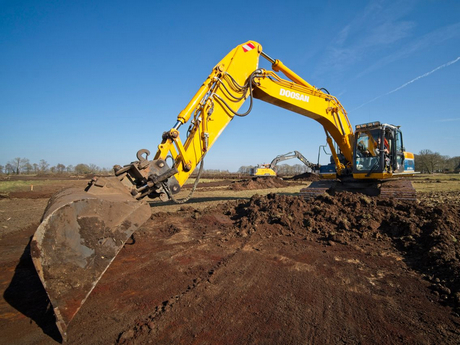
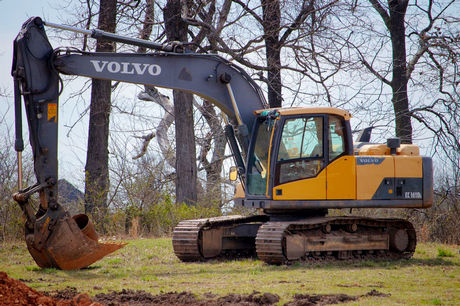
Excavators are widely used in construction, road building, mining, and municipal engineering. With a diverse range of models and attachment configurations, excavators can not only perform earthmoving operations but also handle material handling, obstacle removal, drilling, and crushing tasks. Understanding the basic characteristics of excavators and how to select the right model can help improve equipment utilization and construction efficiency.
I. What Is an Excavator? An excavator is a type of construction machinery whose primary working components consist of a boom, dipper arm, and bucket. It is primarily used for earthmoving and material handling. By replacing different attachments, it can also perform tasks such as lifting, clearing obstacles, drilling, and crushing, making it suitable for a wide range of construction scenarios. II. How Much Do Excavators Weigh? The weight of an excavator primarily depends on its tonnage class and configuration. Small excavators are typically lighter, and some models can be transported on standard trailers; large excavators can weigh 45 metric tons or more and usually require specialized low-bed transport vehicles. Equipment of different tonnage classes varies in operational capabilities and transportation requirements; therefore, both construction needs and transportation conditions should be considered when selecting a model. III. What Tasks Are Mini Excavators Suitable For? Mini excavators are compact and highly maneuverable; some models feature a zero-tail swing design, making them ideal for working in confined spaces. Common applications include indoor construction, landscaping, municipal pipeline installation, and small-scale earthmoving projects. They are also easier to transport and store, making them well-suited for residential construction and other small-scale projects. IV. How Do You Obtain an Excavator Operator Certification? Excavator operators must undergo professional training and meet local regulations and certification requirements. Typically, this involves completing a prescribed course and passing relevant assessments; specific training durations and certification requirements vary by region. Proper training helps operators master equipment operation methods and safety requirements, thereby reducing construction risks. Personnel who have not undergone training or do not possess the appropriate qualifications should not operate the equipment without authorization. V. How do you switch excavator operating modes? Common excavator operating modes include ISO mode and SAE mode, which differ in their control lever logic. Before switching modes, confirm the machine’s current mode and adjust settings according to the manufacturer’s manual. Switching mechanisms and operating procedures may vary by brand and model. After switching modes, first conduct a test in a safe, open area to verify that the controls function correctly before beginning work. VI. How to Select an Excavator with the Appropriate Tonnage? When selecting an excavator, it is recommended to focus on the following three factors: Budget and Costs: Larger excavators typically offer greater operational capacity, but their purchase, transportation, fuel, and maintenance costs are also higher. Construction Environment: Select a model based on site area, passage width, ground conditions, and load-bearing capacity. Small equipment is suitable for confined spaces, while large-scale earthwork projects require higher-tonnage models. Operational Requirements: Determine equipment specifications based on digging depth, digging force, and material weight. Insufficient equipment capacity may affect construction progress and operational efficiency.
VII. What Are the Common Attachments for Excavators? Different attachments can expand an excavator’s range of operations. Common types include:
1. Bucket: Used for earth excavation,
loading, and material handling. Narrow buckets are suitable for trench digging,
while wide buckets are suitable for clearing large areas. An excavator’s operational capability is closely related to its tonnage, the construction environment, operator skill level, and attachment configuration. Selecting the appropriate model and attachments based on actual needs, while adhering to safe operating procedures, helps improve construction efficiency and reduce operating costs.
|